Living Well with Asthma: Triggers, Inhalers and Everyday Care
Understand common asthma symptoms, recognise your triggers and prepare for a useful conversation with your lung specialist.
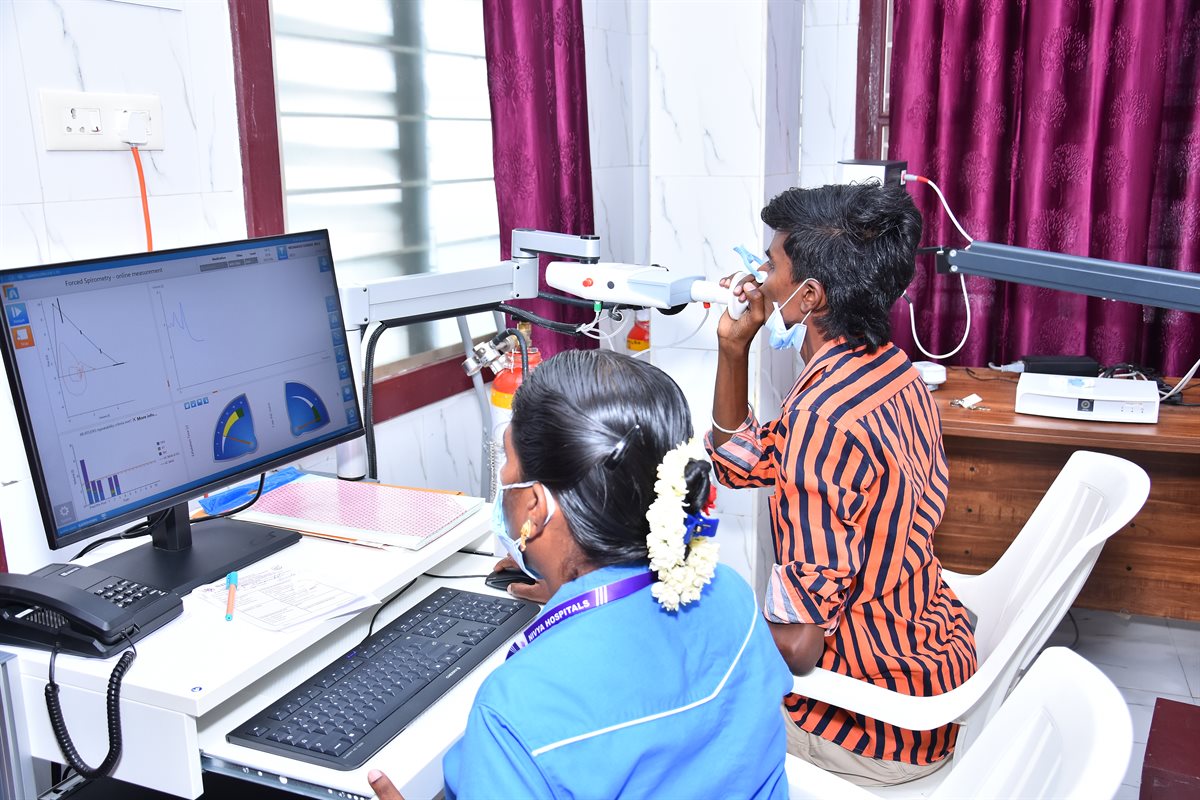
Wheezing, a tight chest or coughing that interrupts sleep can make an ordinary day feel difficult. Asthma affects the airways and can cause symptoms that come and go. With appropriate treatment, many people can stay active and manage their symptoms well.
Notice your own pattern
Common symptoms include cough, wheeze, breathlessness and chest tightness. They may be worse at night, early in the morning or during activity. Other conditions can produce similar symptoms, so an assessment matters before assuming that every cough is asthma.
Dust, smoke, pollen, strong fragrances and respiratory infections can trigger symptoms in some people. Your triggers may differ from someone else's. A short note of when symptoms appear can make your appointment more useful.
Make your treatment plan practical
Use medicines as prescribed and ask your doctor or nurse to check your inhaler technique. Bring your inhaler and spacer, if you use one, to your review. Ask for a personal asthma action plan that explains your usual treatment and what to do if breathing gets worse.
Arrange a review if symptoms wake you at night, restrict daily activities or make you need symptom-relief medicine more often. Do not change inhaler doses or stop treatment based on an online article.
Prepare for your appointment
- Bring your current medicines and previous lung-test reports.
- Describe night-time symptoms, activity limits and possible triggers.
- Ask your clinician to demonstrate your inhaler and check your technique.
Sources & further reading
Patient information checked against these public health resources on 28 October 2026.
This article is for general health awareness. It does not diagnose a condition or replace advice from a qualified clinician. Do not change prescribed treatment based on an online article.